Treatment 02 · Full-Mouth Rehabilitation
The whole mouth, rebuilt to one plan.
When many teeth are missing, broken or worn down, the answer is not another patch. It is a single, staged plan that rebuilds the mouth — bite, function and appearance together.
Enquire About Rehabilitation Book a Consultation
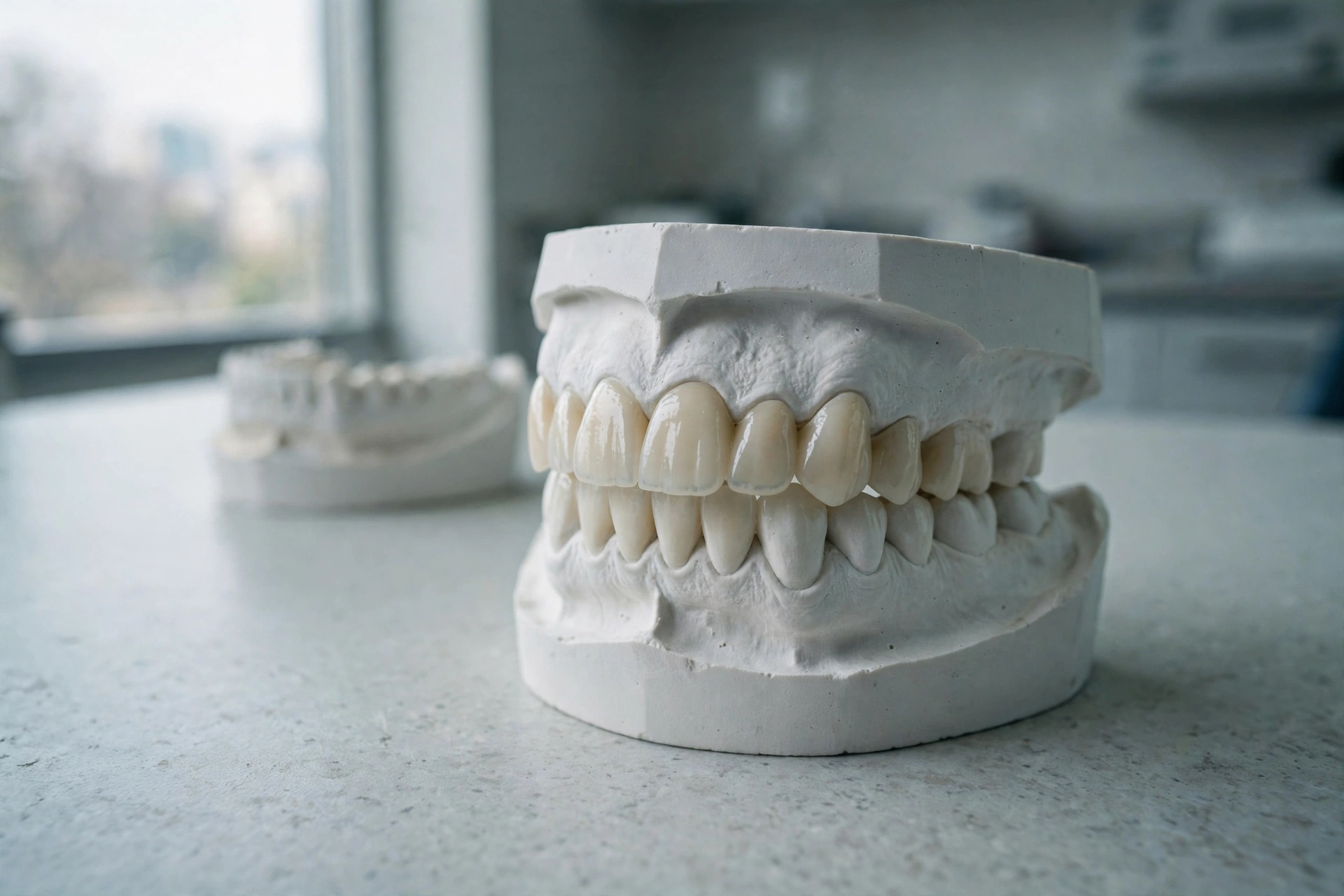
Who It Is For
When the repairs stop adding up.
- Many missing teeth — eating is difficult, or a denture no longer stays in place.
- Failing teeth across the mouth — repeated fillings, crowns and extractions with no end in sight.
- A collapsed bite — worn-down teeth that have changed how the jaws meet, and sometimes how the face looks.
- After cancer or trauma surgery — rebuilding teeth and function is part of completing the recovery.
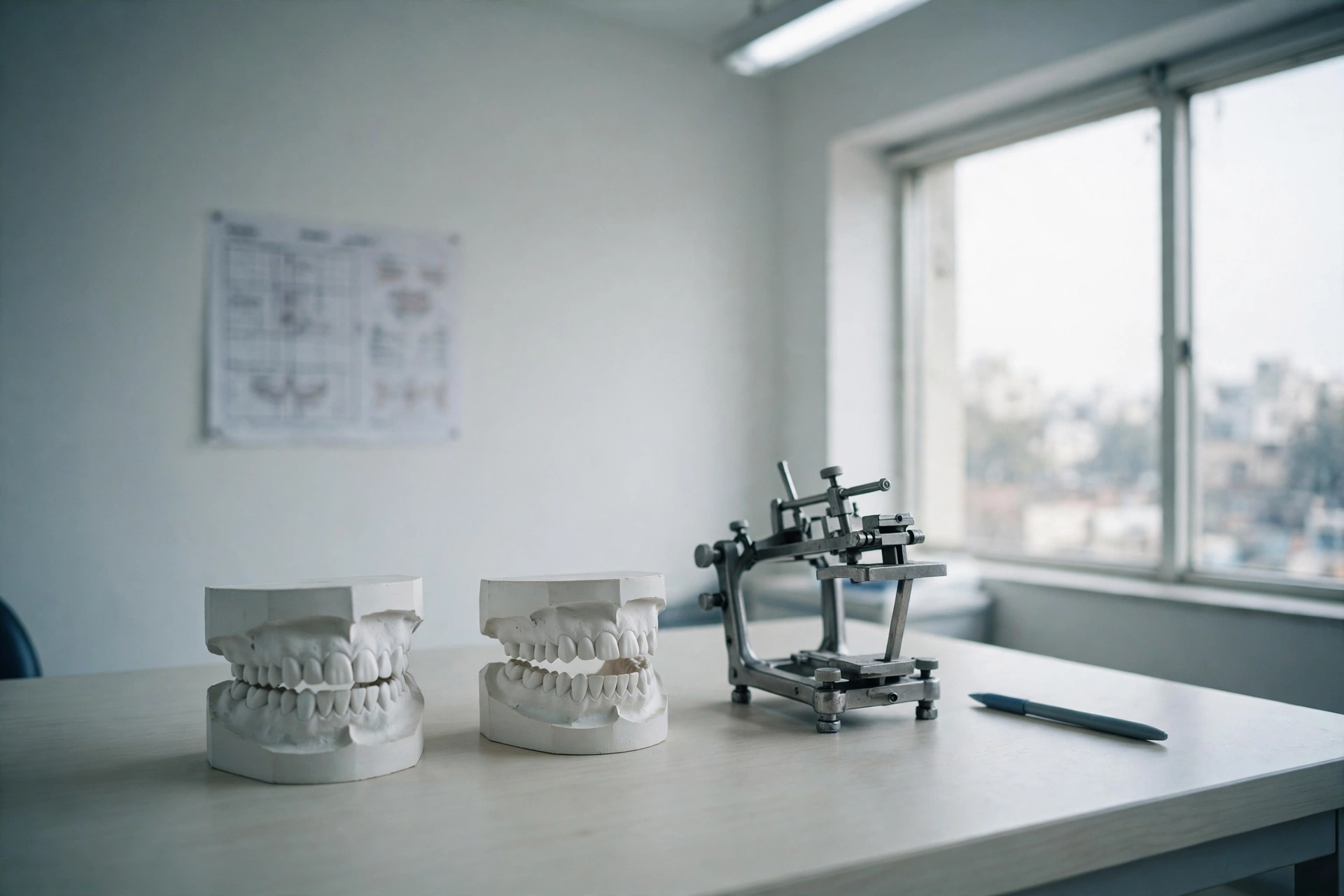
How It Works
Planned once, built in stages
Assess Everything
Teeth, gums, bite and bone examined and imaged together — nothing is planned in isolation.
One Written Plan
The final result, the stages to reach it, the timeline, and the cost of each stage — before work begins.
Rebuild in Stages
Foundations first — gums, bone, implants — then the fixed teeth, with temporaries so you can eat throughout.
Review & Maintain
Bite checks and scheduled reviews, so the rebuilt mouth stays the way it was finished.
On Cost
Staged, and stated in advance
A full-mouth case is a significant decision, so its cost is handled in the open: the total depends on how much of the mouth is rebuilt, on implants versus crowns and bridges, and on materials. The plan breaks it down stage by stage, so you always know what the next step costs before you take it.
“I can confidently say that they are the best dentist I have ever had... They take the time to explain everything they are doing and make sure I am comfortable throughout the entire appointment. I have recommended them to all my friends and family.”
Rehabilitation Questions
Before you book
One-by-one repairs on a failing mouth often chase problems in circles. Rehabilitation assesses the whole mouth — bite, remaining teeth, bone, gums — and rebuilds it to one plan, so each step supports the final result.
The plan is staged so that you are not left unable to eat or appear in public. Temporary arrangements during stages are part of the plan, discussed at the start.
It depends on the case — implants need a healing period, and complex cases are staged over months rather than weeks. Your written plan sets out the expected sequence and timeline.
It depends on the scope: how many teeth, implants versus crowns and bridges, and materials. The full outline is given in writing after assessment, staged so you know what each phase costs before it begins.